
Family gatherings can be a wonderful time to connect and make memories, but if you’re a parent of an autistic child, they can also be emotionally draining. Whether it’s grandparents who “just don’t get it” or well-meaning relatives who ask those questions, it can feel like you’re constantly on trial.
If you’ve ever faced comments like, “They don’t look autistic,” or “Why do you need to label them?” — you’re not alone. Conversations like these can leave you feeling defensive, hurt, and exhausted. The good news is, with a little preparation and a few simple strategies, you can walk into these situations with confidence and leave your peace intact.
Here’s how to explain your child’s autism to family without losing your cool.
Table Of Contents
Some Resources For You
When My Children Were Being Assessed For Autism THIS Is What I Needed
Get My Free Ultimate Mum Bundle Now
Join my email club and get your hands on my free “Ultimate Mum Bundle” of organisation printables.

Why It Feels So Hard
Explaining autism to family members can be emotionally charged. It’s not just about giving them information — it’s about dealing with their opinions, assumptions, and sometimes, their ignorance.
It’s even harder when those comments feel personal, like “You’ve made them that way” or “You’re too soft on them.”These statements can hit hard, especially when you’re already doing everything you can to support your child.
The key to handling these moments is preparation. Walking into a situation armed with answers feels so much better than being caught off guard. When you have clear responses ready, you can shut down negativity and set boundaries without getting into a full-blown argument.
What Should You Say?
One of the biggest hurdles is knowing how to explain autism in a way that’s simple, effective, and sets boundaries. Here’s how to handle some of the most common (and frustrating) comments.
“Why do you need to label them?”
This is one of the most common (and frustrating) questions parents hear. The idea that getting a diagnosis is somehow “bad” or “damaging” is outdated and, quite frankly, harmful. Here’s a simple response:
“It’s not a tattoo on their forehead. It’s just helping them understand their own brains and getting them the help they need.”
Labelling isn’t about changing the child. It’s about getting access to support, understanding, and accommodations. Imagine if a child needed glasses, and someone said, “Why are you labelling them as someone with poor eyesight?” You wouldn’t. You’d just get them the glasses. The same principle applies to autism.
“They don’t look autistic.”
This one is so common, and it’s often said with good intentions but zero understanding. Autism is an invisible difference. There is no “look” for autism. Here’s a simple way to respond:
“What does autism look like? Every autistic person is different, and that’s kind of the point.”
If you want to keep it short, you could even say:
“What does autism look like? It’s invisible.”
This comment often comes from a place of misunderstanding rather than malice, so sometimes, just calmly explaining that autism isn’t something you can see is enough to shift their perspective.
“You’ve made them this way.”
Hearing this one can be gut-wrenching, especially if you’ve already been questioning yourself. It’s not only unkind, but it’s also factually wrong. Autism isn’t something parents cause. It’s a neurological difference present from birth.
If you’re faced with this, here’s a powerful response:
“My child is autistic because their brain works differently. No amount of parenting, punishment, or discipline can change that. But I can support them in the way they need, and that’s exactly what I’m doing.”
If you want to keep it short and direct, you could say:
“That’s simply not true.”
You don’t owe anyone a full explanation, and you certainly don’t have to justify your parenting.
“They’ll grow out of it.”
Autism isn’t something you “grow out of.” It’s a lifelong neurodevelopmental difference. That said, with the right support, autistic people can develop skills, learn coping strategies, and absolutely thrive.
Here’s one way to explain it:
“Autism isn’t something you grow out of. It’s a difference in how their brain works, and it stays with them for life. But with support, they can absolutely thrive.”
If you want to keep it short, you could say:
“It’s lifelong, but that doesn’t mean they can’t grow and thrive.”
This response reassures the family member while also keeping control of the conversation.
“We never had this back in my day.”
Yes, you did. You just didn’t know what it was called. Back in the day, autistic children were often labelled “naughty,” “weird,” or “shy.” We know better now, and that’s why more children are getting the support they deserve.
Here’s a simple way to explain it:
“Autism has always existed, but back then, kids were just labelled ‘naughty’ or ‘weird.’ Now, we understand it better, so kids get the support they need.”
If they’re feeling defensive, this can help them understand that it’s not a new trend — it’s just better awareness.
How To Set Boundaries With Family
Explaining autism isn’t always the hard part. Sometimes, it’s about knowing how to set boundaries. Not every conversation is worth your energy, and you have every right to protect your peace.
Here are some powerful boundary-setting tools:
Decide What To Share (And Who To Share It With)
You are not obligated to tell anyone about your child’s diagnosis. It’s personal, and you can share it on your terms. You might choose to:
- Share it right away (e.g., “By the way, [child] has been diagnosed with autism, and we’re really pleased to have that clarity.”)
- Mention it casually in passing (e.g., “You might notice [child] wearing ear defenders — it’s because they have sensory sensitivities.”)
- Not mention it at all — and that’s OK too.
Outline Your Child’s Needs
Some children prefer to say “hi” instead of hugging or kissing. Some dislike loud noises or certain textures. It’s OK to set boundaries with family on your child’s behalf.
Here’s an example of how to explain it:
“[Child] prefers to say hi instead of hugging, so we’re supporting that.”
Or:
“We’re bringing Zara’s ear defenders with us because she finds loud noises overwhelming.”
If family members don’t respect these needs, you have every right to leave early, change plans, or prioritise your child’s well-being.
Use The Bean Dip Strategy
If a family member refuses to drop the subject, switch gears. Literally. Change the subject.
“Have you tried the bean dip? It’s amazing!”
The goal isn’t to “win” the conversation. It’s to maintain your peace.
The Power Of Saying No
One of the most powerful tools you have as a parent is the ability to say “no.”
- No to attending events that won’t support your child’s needs.
- No to staying longer than you want to.
- No to people who push boundaries.
Sometimes the best way to protect your peace is to decline the invite. And if you do attend, you can always leave early. You don’t have to justify your choices.
The Takeaway
Explaining autism to family can be emotionally draining, but it doesn’t have to be. When you walk in with answers and boundaries already set, you protect your peace and your child’s well-being.
Here’s a quick recap of the most powerful strategies:
- Respond to “Why label them?” with “It’s not a tattoo on their forehead. It’s just helping them understand their own brains.”
- Handle “They don’t look autistic” with “What does autism look like? It’s invisible.”
- Remind yourself: You don’t owe anyone an explanation.
- Use the bean dip strategy to change the subject when it’s going nowhere.
- Remember, saying NO is a complete sentence.
You are your child’s greatest advocate. You’re doing an incredible job. And if anyone makes you feel otherwise, just pass them the bean dip.
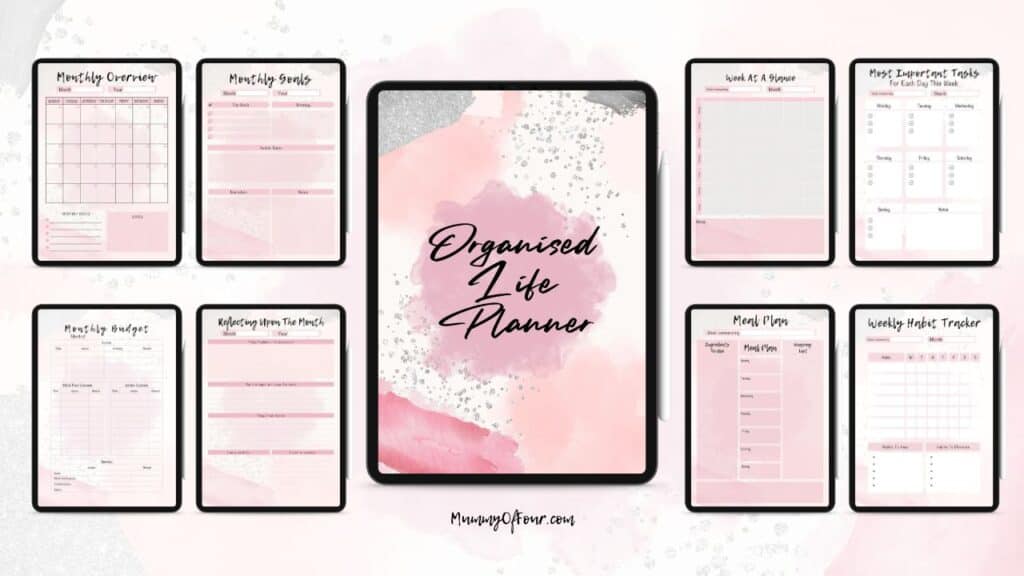
Shop The Organised Life Planner
Join Me In Patreon

