

Do you want to know how to get your family to help more around the house? Would you love to get your family to do some of the household chores, but just don’t know where to begin? Then read on, because I am sharing some top tips and simple strategies for getting your whole family involved in keeping the house in order without the stress.
Table Of Contents
Start Them Young
Best time to start your children with “helping” around the house is when they are toddlers. They may not be much actual “help” but it’s not about that, it’s about getting them into the habit when they are young of getting involved and doing things together.
As soon as they can walk, you can give them something to hold to “help Mummy”. When you’re loading the washing machine, you can let them put items that you pass them inside. When you are picking up toys, encourage them to put them in the box too. When you are vacuuming, get them a toy cleaner for them to join in.
By starting to involve your little ones in daily household talks at a young age, not only will it allow you to get things done while also keeping an eye on them, but they find it enormous fun too.
The main benefit of starting them young is that it will be natural for them to help out, rather than a big battle of suddenly introducing it.
What if you didn’t start them young?
What then? The second best time to make a fresh start where everyone in your household helps out rather than lets it all fall on your shoulders is today. Keep reading and I’ll explain how you can do this.
Explain Your Why
There are several reasons that it is important to get your family to help out around the house. One of the best ways to get them on board with helping out more is to sit down and explain to everyone why you want these changes to be made.
Some of the reasons for getting your family to help that are worth mentioning
- It teaches valuable life skills – children who have never had to get involved in even the most basic of household tasks will struggle more when the time comes for them to spend time outside of the home. You don’t want them to be that messy one on their first holiday with friends or the flatmate that no one wants to share with because they are a total slob. Moving out and looking after themselves will be a far easier transition if they have been helping around the home from a young age and gradually doing more as they get older.
- It means that you can do more together as a family – not only can you do the physical housework together, but more hands getting it done means that it’ll all be done quicker. Once the housework is done, you’ll be free to spend more quality family time together doing fun things out of the house, instead of everyone having to stay in until poor Mum gets it all done.
- It will make them more self-aware – children who know that you will have to pick up their own toys will learn to take out what they need rather than just blindly tip our multiple boxes all over the floor.
Declutter for the win
Be honest, if your home is full of clutter, it’s overwhelming, right? Even as adults, if all we can see is a mess and we just don’t know where to begin, it can be easy to want to just give up. Your family will have the same problem. By decluttering your home and only having the stuff that you need at any given time, keeping your home tidy will be far less stressful for everyone involved.
Less clutter = less overwhelm = your family being far more likely to help out.
Use Thought Out Storage Solutions
When everything has a place in your home, it’ll be far easier for both you and your family to put everything back where it goes.
When designing these storage solutions, wherever possible, make them easily accessible to your family. After all, how can you expect your kids to put things away when they can’t even reach where things are supposed to go?
Make Storage Accessible
Think about where things can “live: where your children can reach. For example, fix coat hooks at a level where they can hang up their own coat. Organise a school bag station (like the one in the video above) where they can put their own bags away at the end of each day. When it comes to toys, consider easy access toy boxes that won’t jam little fingers.
By making the storage in your home both thought our and accessible, you are removing some of the usual barriers to tidying.
The One Box Rule
Implementing the “one box out at a time” rule is a game-changer. If you follow me on Instagram or watch my YouTube channel, you’ll know that I love the IKEA kallax shelves for storage.
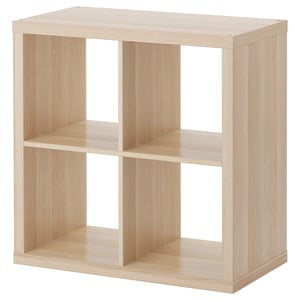

I have these amazing shelves all over my house and they make amazing “kid-friendly” storage. I organise one type of toy (for example, LEGO, dolls, play food, cars and vehicles etc) into each box.
The rule is that only one box is allowed out at a time. Before another box comes out, the first must go away. When you stick to this rule, it means that even if your kids do tip the whole box out, when it comes to tidy-up time, it’s easy. There is no wondering where things go – everything tipped out is simply returned to that one box.
Laundry
There are a few easy ways to get your family to help out with laundry
- Dirty basket rule – The first step is getting your family to actually put their laundry in the dirty basket. Make it quite clear that you will not be hunting for dirty laundry and if it’s not in the basket, it won’t be washed.
- Establish a laundry system – as you’ll see in the video above, the only way that I keep on top of laundry with a family of 6 is with a routine and system. The main element for me is the storage system next to the tumble dryer. Each family member has a DRONA box in a KALLAX unit (I told you I use them a lot). As things come out of the dryer the items are sorted into the relevant person’s box. When that box is full, it is given to that family member who is expected to put away their own things. Although up until around the age of 5 they may need some help, beyond this age, if you have set up their storage so that it accessible (as previously discussed), they should be more than capable of doing this themselves.
- Prepare for the week on the weekends – a great way to get everyone involved is to make sure that all of the preparations for the upcoming week are done on the weekends. This will save endless school morning stress and allow your family to “muck in” and get organised together.
Mealtimes
At mealtimes you can encourage your family to do jobs such as laying the table, clearing and wiping the table. If dessert is a thing in your house, make it a treat for those who have helped at that mealtime.
Don’t Pass Thing On The Stairs Rule
By making it a rule that no one shall pass something left on the stairs without taking that item to the room in which it belongs, you will save yourself countless times and trips up and down the stairs.
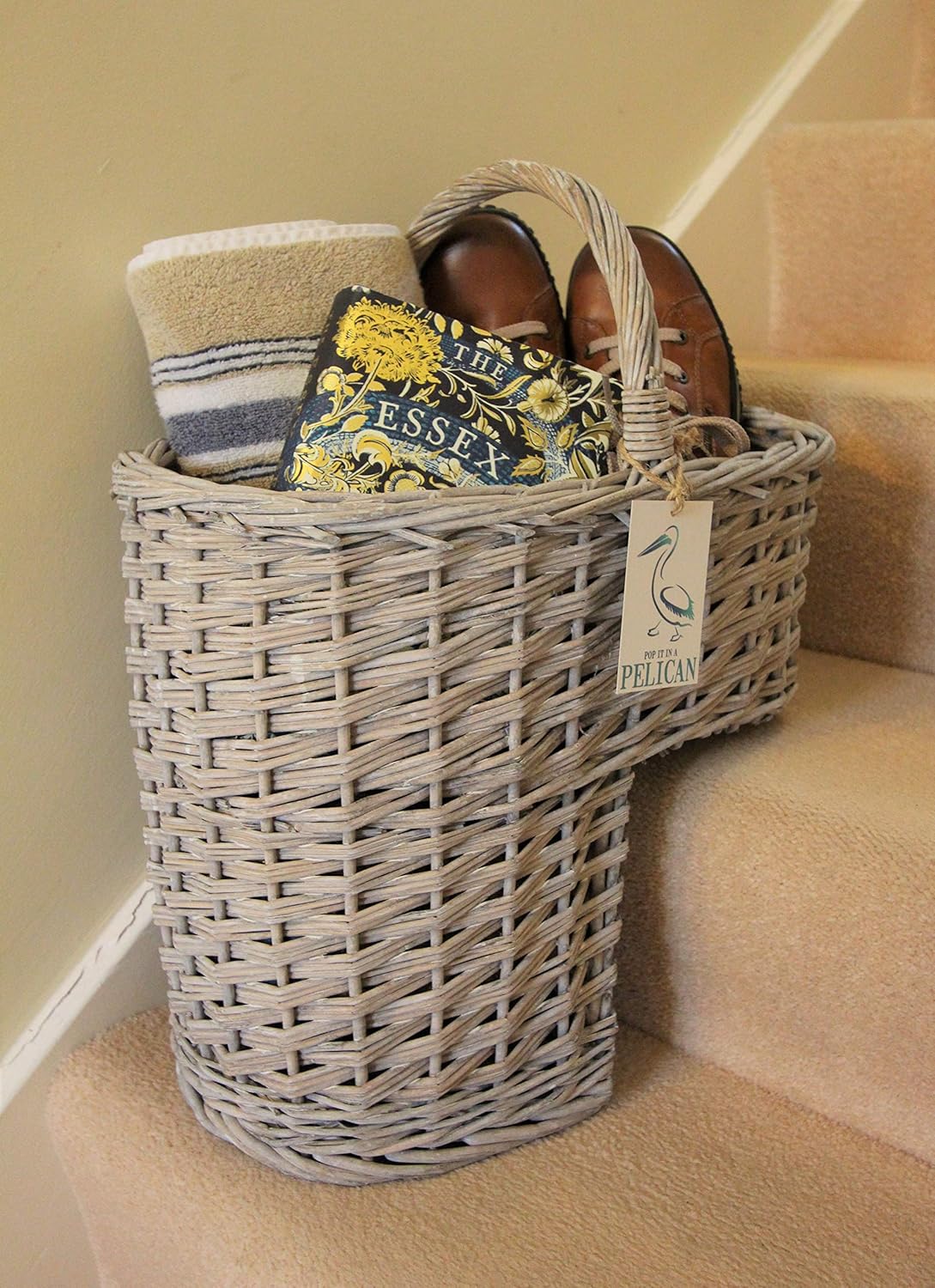
You can take this one step further, by allocating each family member a stairs basket, you’ll have a place to put anything that you find and easily direct it to the relevant person’s basket. When that person goes up the stairs, get them to take their basket and put their things away.
The Made Bed Rule
Make it a rule that no one leaves the house in the morning until their bed is made. I’m not talking hospital corners level perfection here, but if each family member can straighten out their duvet and pillows when they get up, your house will look so much neater.
Let Them Try
This can be tricky, but if your kids are helping, don’t crush their spirit by pointing out all they are doing wrong. Let them try and if necessary, go back over the job later without them noticing. The important thing is that they are allowed to try as this is the only way in which they will ever really improve.
Make It A Fun
Making housework fun is the only way to make it bearable and keep everyone motivated. Here are some ways to bring the joy when doing housework as a family.
- Play motivating music – there is nothing like some uplifting music to lift everyone’s mood and get the housework done
- Dance it out! – while the housework needs to be done, there’s always time for a dance break.
- Make it a race – making tidying a race seems to ignite a sense of urgency in kids that really fuels tidying
- Use fun cleaning products – for my daughters especially, one of the things that make them motivated to “help” is a fluffy duster. If I’m honest, the duster like the one in the photo below is one of my daughter’s favourite “toys”.
Praise Them
There is nothing more satisfying than to receive praise. Maybe the job isn’t as neat or as thorough when done by your children, ut if they have helped and put in some effort, make sure you reinforce this behaviour with ample praise.
Incentivise them
Nothing gets my children moving like “once this playroom is tidy, we can go to the park”. Find the right incentive and your children will be far more keen to help out.
Reward them
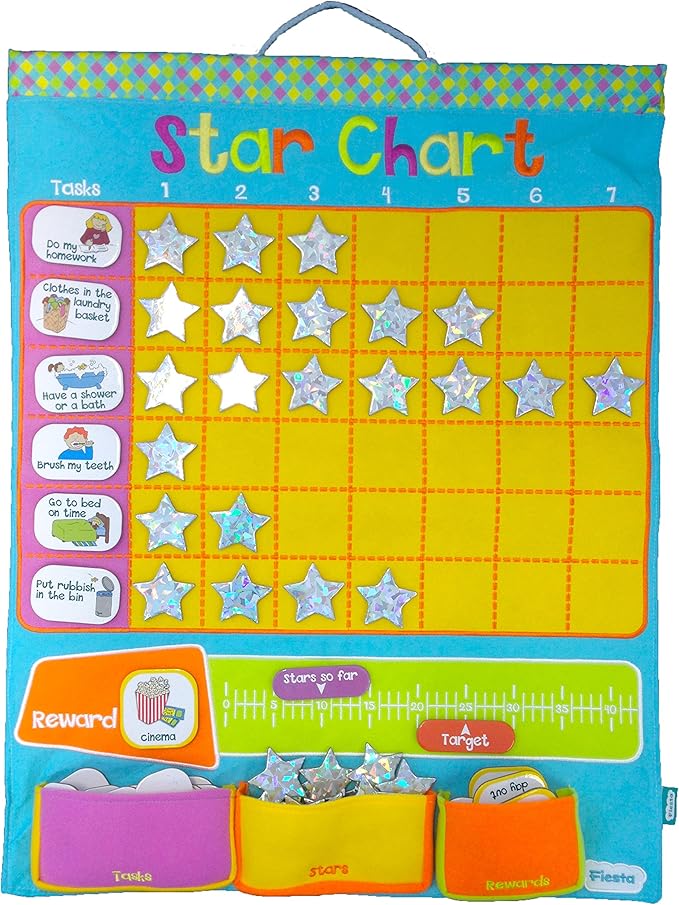
Rewards can be as simple as a trip to the park as already discussed, to something more structured. Reward charts work well for my younger children, whereas I use more of a pocket money type system for my older children.
Rewards For Older Children
My older two have a pocket money card each. They don’t receive a fixed allowance, instead, they earn a small amount per day for jobs done around the house. Although they are not “paid” for basic things they are expected to do for themselves such as putting away their own laundry or brushing their teeth, they receive recognition for additional tasks that they complete.
How are your family at helping around the house?
Are they amazingly helpful? Or super resistant to getting involved? Let me know in the comments.
Fancy Getting Your Hands On My Ultimate Mum Bundle Resource?

Why Not Pin This For Later?

