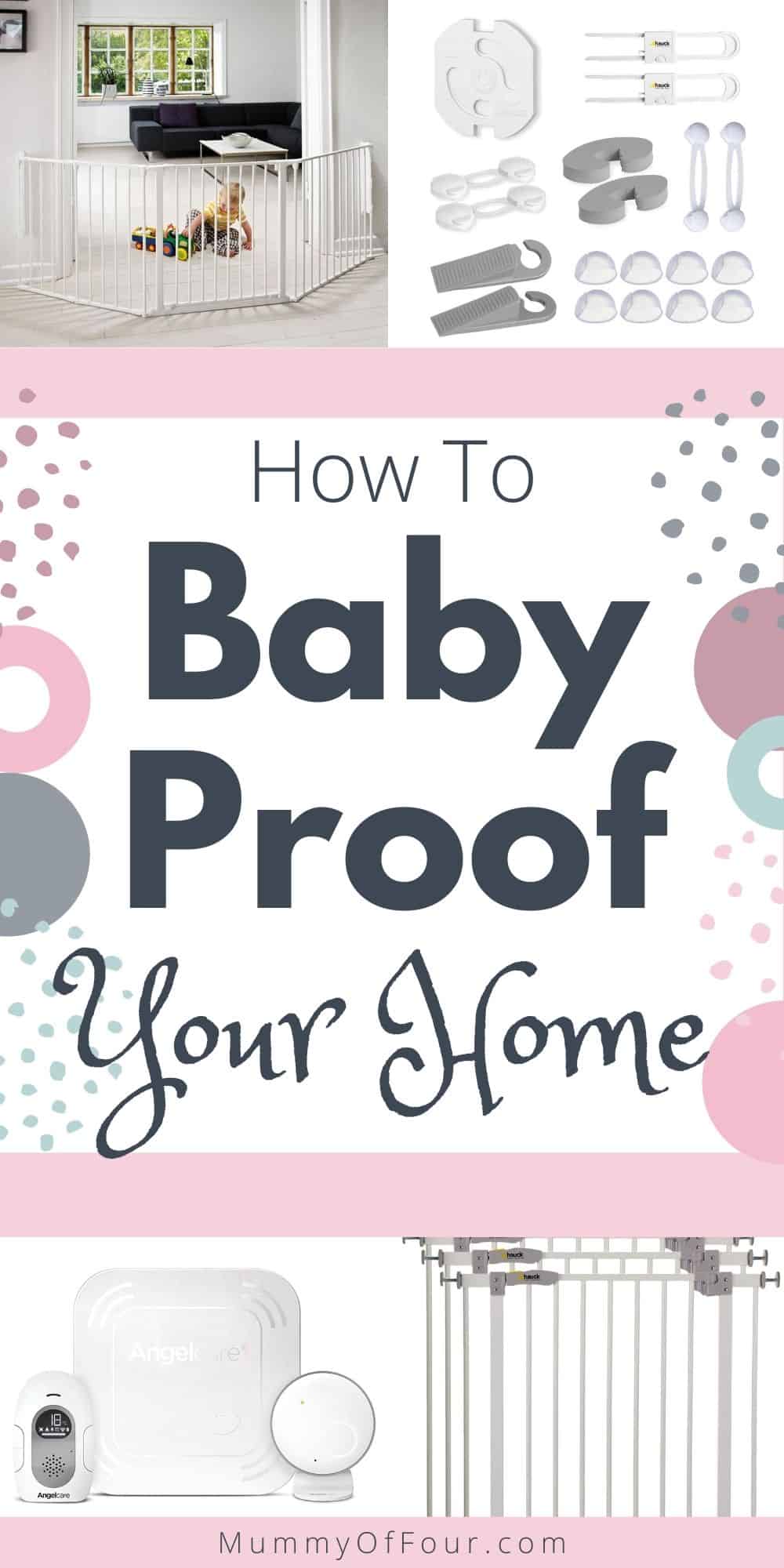
If you are pregnant or have a small baby, it won’t be long until that tiny baby will be crawling, toddling and walking, so it’s time to baby proof your house! But how exactly do you go about baby proofing your home? Which areas in the house pose the greatest risks and how can you keep your baby safe? Read on for my top tips for making sure that your house is baby proof.
AD disclosure: This gift idea guide is brought to you together with Online4Baby.com

Online4baby is a family run business, established in 1987 providing top-branded, discounted nursery goods to many generations of families at the most competitive prices.
Table Of Contents
Get Started ASAP
You may be looking at your pregnant bump and thinking “baby proofing is a million miles away”. Or gazing at your sleeping newborn, totally unable to imagine them holding up their own head, let alone moving around enough to cause themselves harm in your not-yet-baby-proofed house.

Well I’m here to tell you that day will be here before you know it. The nights may feel long, but the weeks and months will fly by. Do yourself a favour and commence project “baby proof the house” as soon as possible. This will allow you to break down the tasks and achieve them in a manageable time frame, rather than end up frantically running around your home like a crazy person the day that your baby starts crawling.
Assess Your Space
You may think that you are familiar with your home, but it’s time to look at it through fresh eyes. Get down low to a toddler’s eye level and look for mischief that can be created and disasters waiting to happen. If there is something that your toddler can pull onto themselves / fall down / climb up / trap themselves in, write it on the baby proofing to do list.
Embrace Minimalism
If there was ever a time to embrace minimalism, it’s when you have a newly mobile baby or toddler. Trinkets, mementos and fragile ornaments my look pretty, but are really just weapons for toddler to throw, pull onto themselves or attempt to swallow. Consider packing up any decorative items that your baby will be able to reach until they are a little older and enjoy the clear surfaces. Alternatively, move these times onto higher shelves.
Protect Little Fingers From Doors
Little finger can so easily be trapped in doors, either handle or hinge side, or even under the door. As opening and closing doors (along with other hazardous games) seem to be entertaining pastimes for toddlers, protecting little fingers with door stops and slam protectors will prevent many injuries.


Kid Proof Your Cupboards
As an absolute bare minimum, any kid height cupboards which contain hazardous chemicals should absolutely be secured with a child lock.
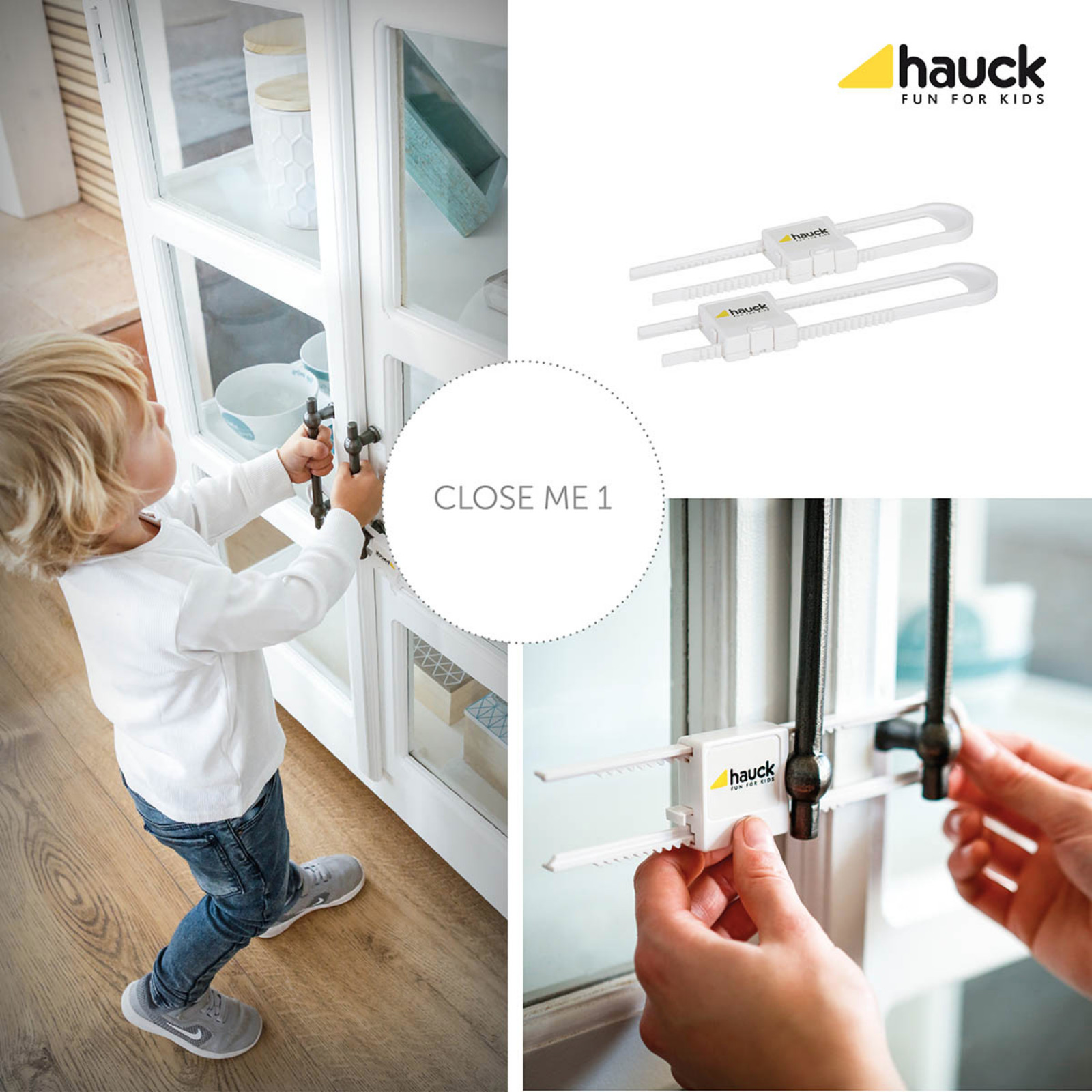
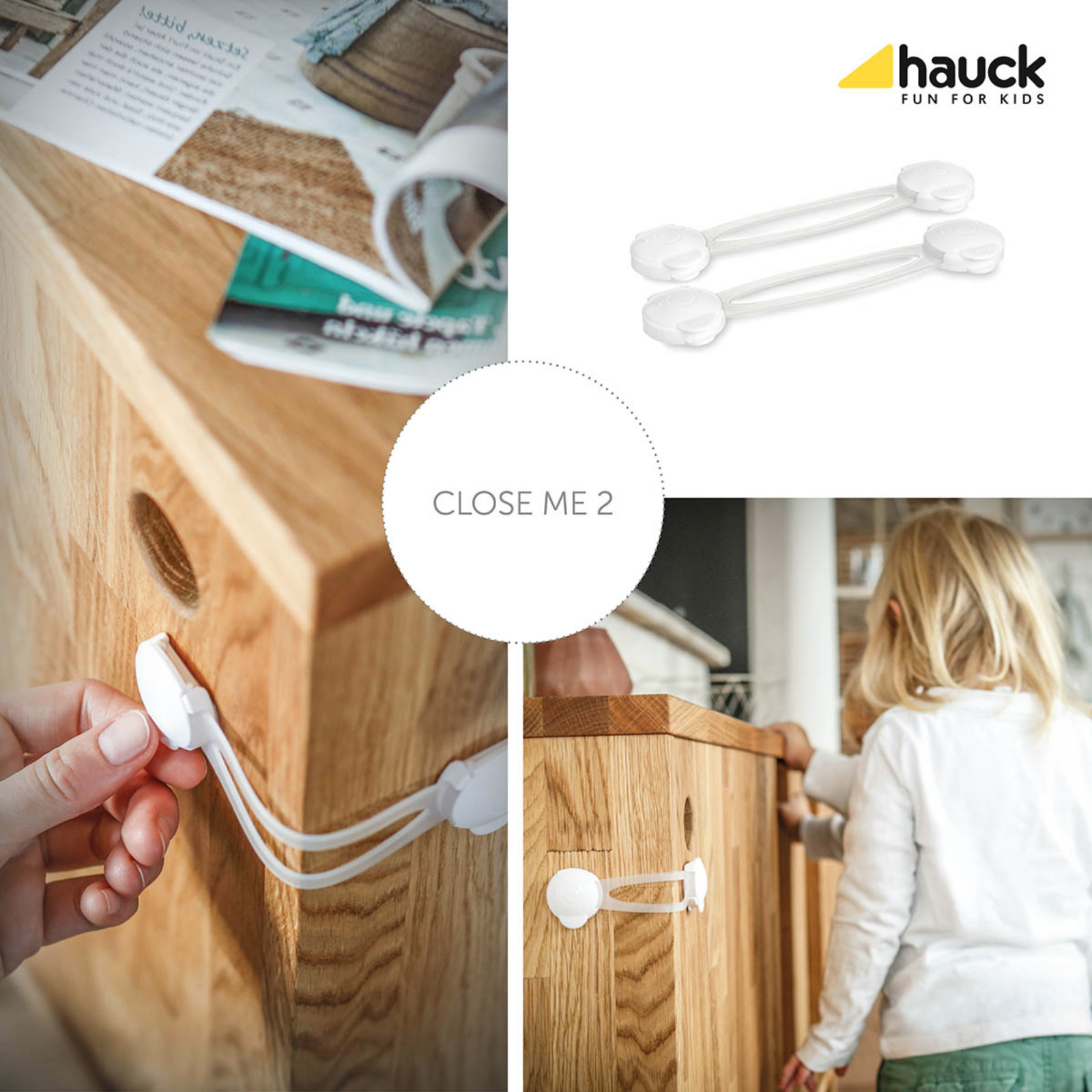
If you want to save yourself a lot of time, hassle and mess, I’d highly recommend securing all of your lower kitchen cupboards. Not only will they prevent trapped fingers, but it will also stop the contents of your cupboards ending up all over the floor, at best making a mess and at worst falling onto your inquisitive toddler.
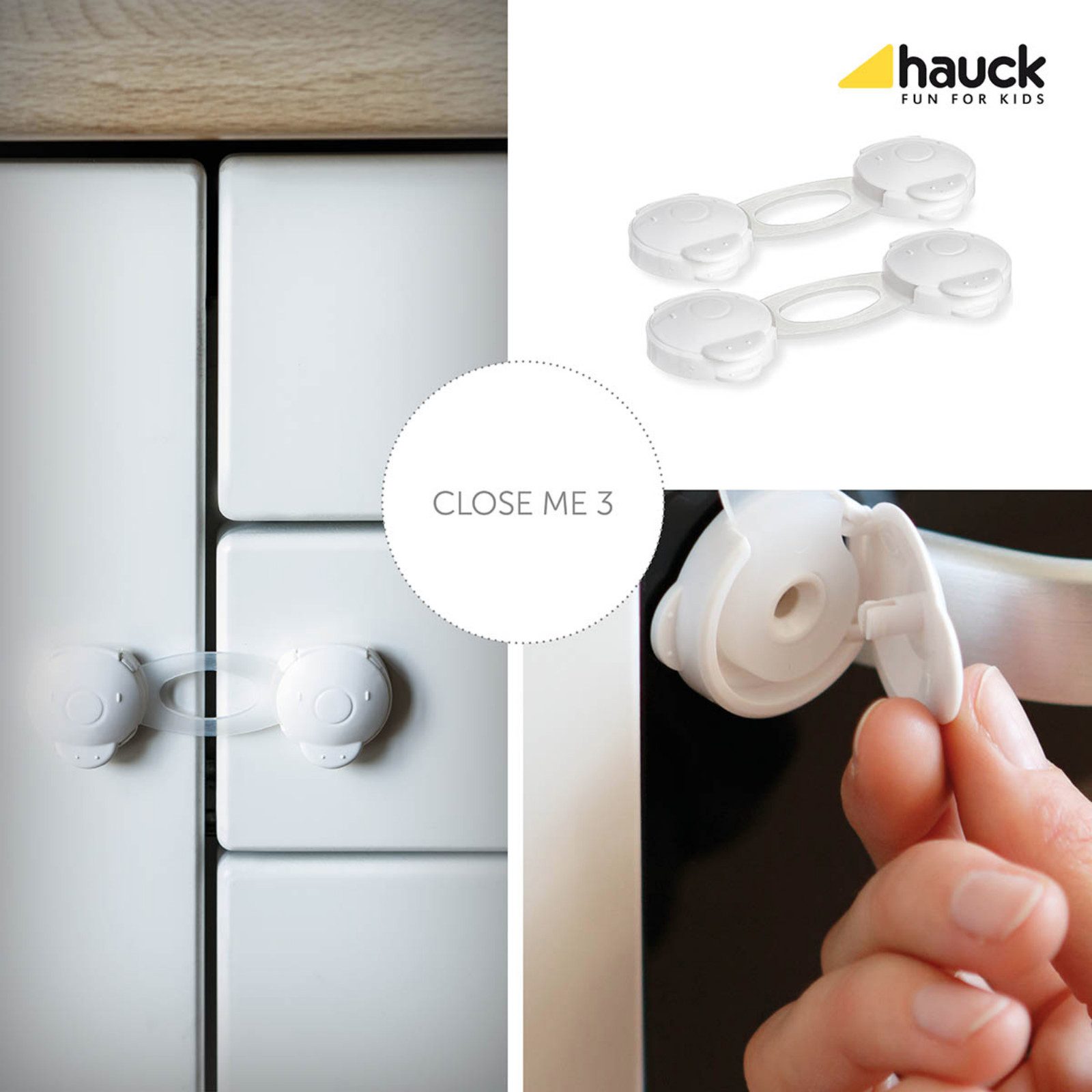
As set like this Hauck 26 Piece Child’s Drawer and Door Safety Pack Kit is ideal for securing all of the cupboards and cabinets in your house that may be a risk to your baby.

Fix Furniture To The Wall
Toddlers are clever and will quickly realise that pulling drawer out makes an excellent ladder to climb up a dresser.
Falling furniture is responsible for many infant fatalities every year, so make sure that your furniture is properly secured in order to baby proof your home.
Make Your Stairs Safe
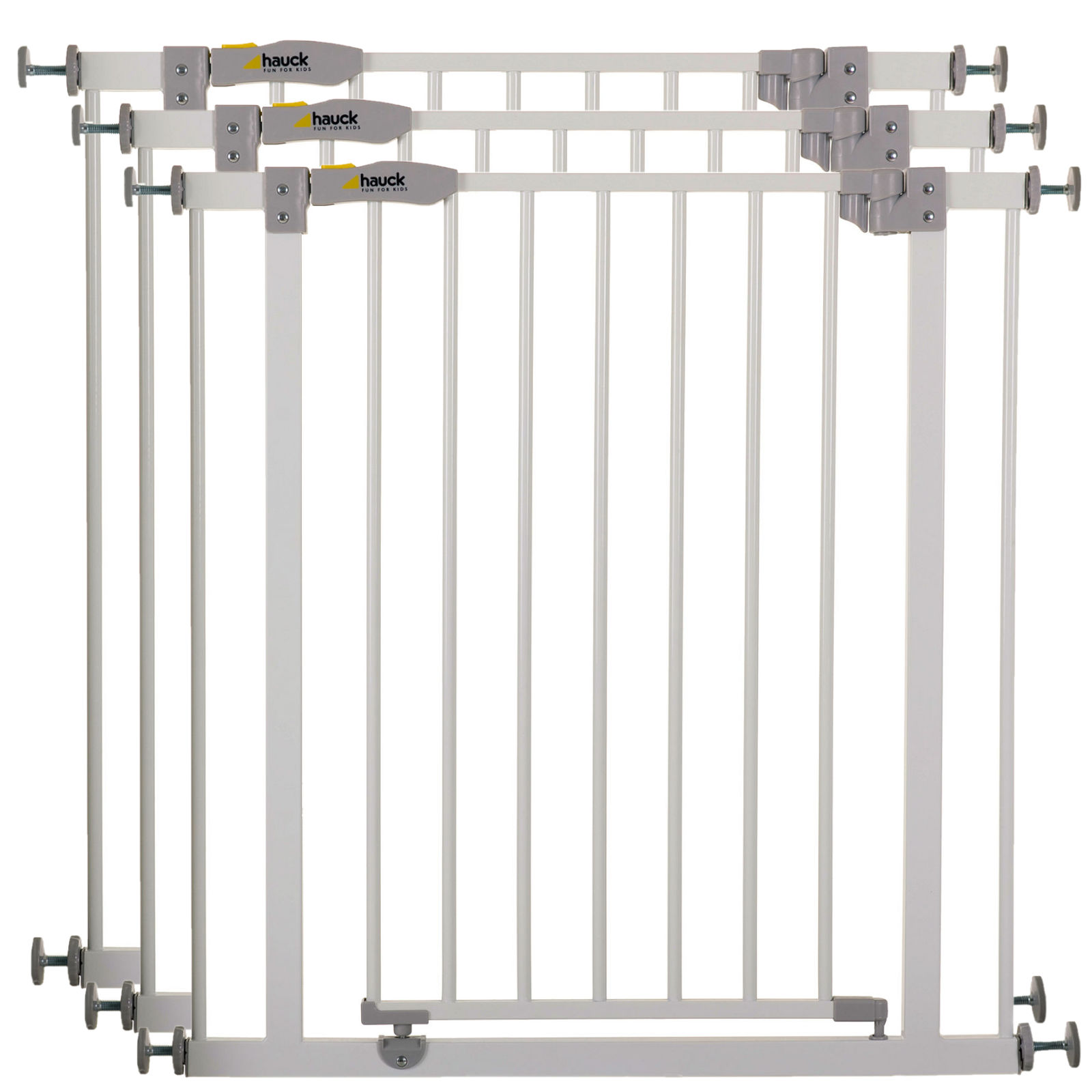
Falling down the stairs is a huge risk for crawling babies and inquisitive toddlers. Adding stair gates can help to protect your baby. These gates can also be used to keep your baby out of more hazardous, non bay proofed rooms in your home such as an office or the kitchen while someone is cooking.
Invest In A Playpen

There are times when us parents need to answer the door, unload the groceries, or run to the loo for a 60 second wee. During these times, we need to ensure our babies are safe. A playpen is a great way to keep your baby contained in a safe space for these short bursts of time where we cannot have 100% of our attention on them.
Guard Your Fire

Keep your toddler safe from burns with a fire guard.
The Dangers Of Blinds
The chords that are used to adjust blinds can be a very dangerous strangulation hazard if not properly secured. Take a look at the video below to see how your blind chords can be made safe for your baby.
Keep An Eye On Your Baby With A Monitor

While your baby is in their cot (and hopefully sleeping soundly), make sure that you can monitor them and their breathing with a baby monitor with motion sensors. These monitors offer peace of ind that an alarm will sound should the baby stop breathing and no motion is detected.
Choking Hazards
If it can fit through the inside of a toilet roll, a baby can get it into their mouths and potentially choke on it. Remove any small items from your toddler’s reach and ensure that you are familiar with first aid for a choking baby should the worst happen.
Suffocation Hazards
Make sure that your baby’s sleeping space is safe to avoid suffocation hazards and minimise the risk of SIDS.
Drowning Risks
Remember that a toddler can drown in just a few inches of water, just enough to cover their nose an mouth. Babies should be supervised at all times in the bath. Ponds, swimming pools and hot tubs should be fenced off to avoid wandering toddlers falling in. Check out the video below for what to do if the worst happens and your child is drowning.
Read It Next
Get The Ultimate Mum Bundle Now
Why Not Pin This For Later?