

As a parent, one of the biggest challenges you might face is getting your busy eaters—especially those with Autism Spectrum Disorder (ASD)—to eat more. I know firsthand how stressful mealtimes can be, and today, I want to share some tips that have worked for my family.
Table Of Contents
Common Challenges Faced by Parents Of Picky Eaters
Feeding picky eaters can often feel overwhelming. From sensory sensitivities to strict food preferences, mealtimes can be a battleground, especially for children with ASD. Understanding these challenges can help ease some of the stress. It’s important to remember that you’re not alone in facing these issues.
Tips for Fussy Eaters
Here are my top 11 strategies for making mealtimes just a little bit easier:
1. Establish a Routine
Having a consistent mealtime routine helps my children know what to expect. This predictability can reduce anxiety around eating.
2. Use Positive Reinforcement
I always try to praise any effort, even if it’s just touching or tasting a new food. This approach helps create positive associations with trying something new.
3. Serve Small Portions
A big plate of food can be overwhelming for picky eaters. Small portions have been key for us—there’s always the option to offer more if they want it.
4. Enhance Visual Presentation
Making food look fun has made a huge difference in our mealtimes. Using divided plates or arranging food into fun shapes keeps things appealing and less intimidating.
5. Involve Children in Preparation
Getting my kids involved in the cooking process, whether it’s mixing ingredients or choosing a veggie at the shop, increases their interest in what we’ve prepared.
6. Avoid Discussing Food During Meals
I’ve learned that not focusing on food during mealtimes makes everyone, especially my children, more relaxed. When I’m not talking about whether they are eating or not, it helps reduce pressure and makes meals more enjoyable for their siblings too.
7. Watch Others Try Interesting Foods
One of my favourite strategies is making food experiences fun—like watching other people eat snacks in vlogs before we travel to places like Disney Parks. This can pique their interest in trying those foods when we’re there.
8. Dismiss “Good” and “Bad” Labels
I avoid labeling foods as “good” or “bad” because I don’t want my children to develop unhealthy relationships with food. Instead, we talk about foods that fuel our bodies and those that are just for fun.
9. Introduce Variety Without Pressure
I introduce different foods gradually, but I never push it. It’s all about exploration without pressure, which helps my children feel more comfortable trying new things.
10. Encourage Listening to Their Tummy
Teaching my kids to listen to their tummies has been beneficial. If they’re hungry, they eat; if they’re full, they stop. This practice promotes mindful eating and helps avoid power struggles around food.
11. Model Behaviour
Finally, I always eat the same foods as my kids. When they see me enjoying a wide variety of foods, they’re more likely to give those foods a try too.
Additional Strategies for Fussy and ASD Eaters
In addition to these main tips, here are a few more strategies that have worked well in our house:
- Sensory Preferences: Acknowledge and respect sensory preferences. Finding the right textures and temperatures can make a big difference.
- Food Play: Engaging in non-eating contexts with food can help children become less anxious about certain items.
- Visual Schedules: Using visual schedules helps create a plan for meals, setting expectations and reducing anxiety.
- Oral Motor Tools: Chew tools can be beneficial for children who have oral sensitivities.
- Gradual Desensitization: Simply having a disliked food on their plate without the pressure to eat it can be a great first step.
The Importance of Creating a Calm Mealtime Environment
Creating a calm environment during meals is crucial. Minimising distractions and keeping things relaxed has been key for us. Additionally, avoiding food talk during meals can help reduce pressure and foster a more enjoyable atmosphere.
Stay Positive and Patient
Mealtimes can be incredibly stressful, and it’s easy to feel discouraged at times. Remember to be patient with yourself and your child. Self-care for us parents is just as important as helping our children; it helps us stay consistent, and consistency is key.
By implementing these strategies, you can create a more positive mealtime experience for both you and your children. Remember, you’re not alone on this journey, and with patience and understanding, you can help your picky eaters develop a healthier relationship with food.
Get My Free Ultimate Mum Bundle Now
Join my email club and get your hands on my free “Ultimate Mum Bundle” of organisation printables.

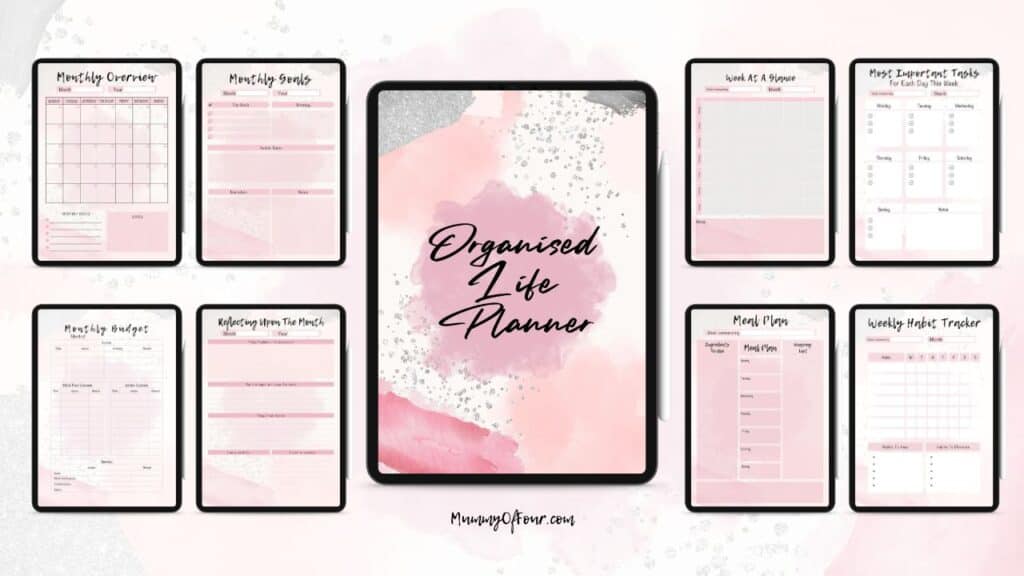
Shop The Organised Life Planner
Join Me In Patreon

