
Do toddlers need routine? What is a good schedule for a toddler?
As a Mum of four, these are questions I get asked a lot. In this post, I am going to share my ultimate toddler routine with you, which should not only make your toddler easier and happier in the days, but should help them sleep more at night too.
If you have a baby under the age of one (or under 18 months and in need of additional sleep), read my Routine For Babies post first. Once you are satisfied that they are happy to move past that routine, come back to this one.
If you have any concerns about your toddler’s health or development, please make sure that you speak to your child’s doctor.
Table Of Contents
7:00am – Waking Up
Regardless of how much sleep your toddler did or did not get in the night, wake your toddler at 7:00am. If they are tired due to lack of sleep, stick with it, as following the routine will help them get more sleep at night in the long run.
If your child is an early riser and Early Morning Waking is an issue, check out the post below for ways to encourage your toddler to sleep longer in the mornings.
7:00 – 8:00am – Breakfast & Dressing
Once your toddler is up, next it’s time for breakfast, washing and dressing. I often find it is easier to feed toddlers before breakfast, then wash their faces and hands and clean their teeth before dressing. These activities can be done either way around, but in my experience, messy toddlers are better off eating breakfast in pjs that are bound for the laundry, rather than in fresh clean clothes.

8:00am – 11:30am – Morning Activities
This is the time where your toddler will be at their brightest and most energetic, so it’s an ideal time to take them out for activities. If you have older children, this is the time where you will need to take them to school, you can your toddler can attend a playgroup or toddler class, go to the park or perhaps soft play.
If the weather isn’t great, arranging play dates in the house during this time is an ideal way to occupy your busy toddler.
If your toddler is an early morning waker, they may be tired mid-morning and want to sleep. Do whatever you can to keep them awake at this point, as letting them sleep at this time will only encourage the cycle of early morning waking.
10:00am – Snack
If you like, you can feed your child with a small snack at around 10am to keep them going until lunch. Fruit or crackers are ideal choices. Avoid snacks much after 10am as it will put them off their lunch. Younger toddlers may have milk at this point too.
11:30 – 12:30 – Lunch
Make sure that your child is sitting down to eat their lunch by noon. I often find that toddlers eat so slowly that it is often beneficial to start their lunch as early as 11:30am.

Encourage your child to eat their lunch in the highchair or at the table. This will mean they are more likely to stay on task and eat, rather than amongst their toys. This will ensure that they stay on task and are more likely to eat more and sleep better at nap time.
12:30pm – Nap Time
Make sure that your toddler is settled in their cot or bed by 12:30pm for their lunchtime nap. Ideally, the room is as dark as possible to give them the best chance of sleeping. Check out my Nursery Essentials post for all of the items that I suggest to optimise your child’s room for sleep.
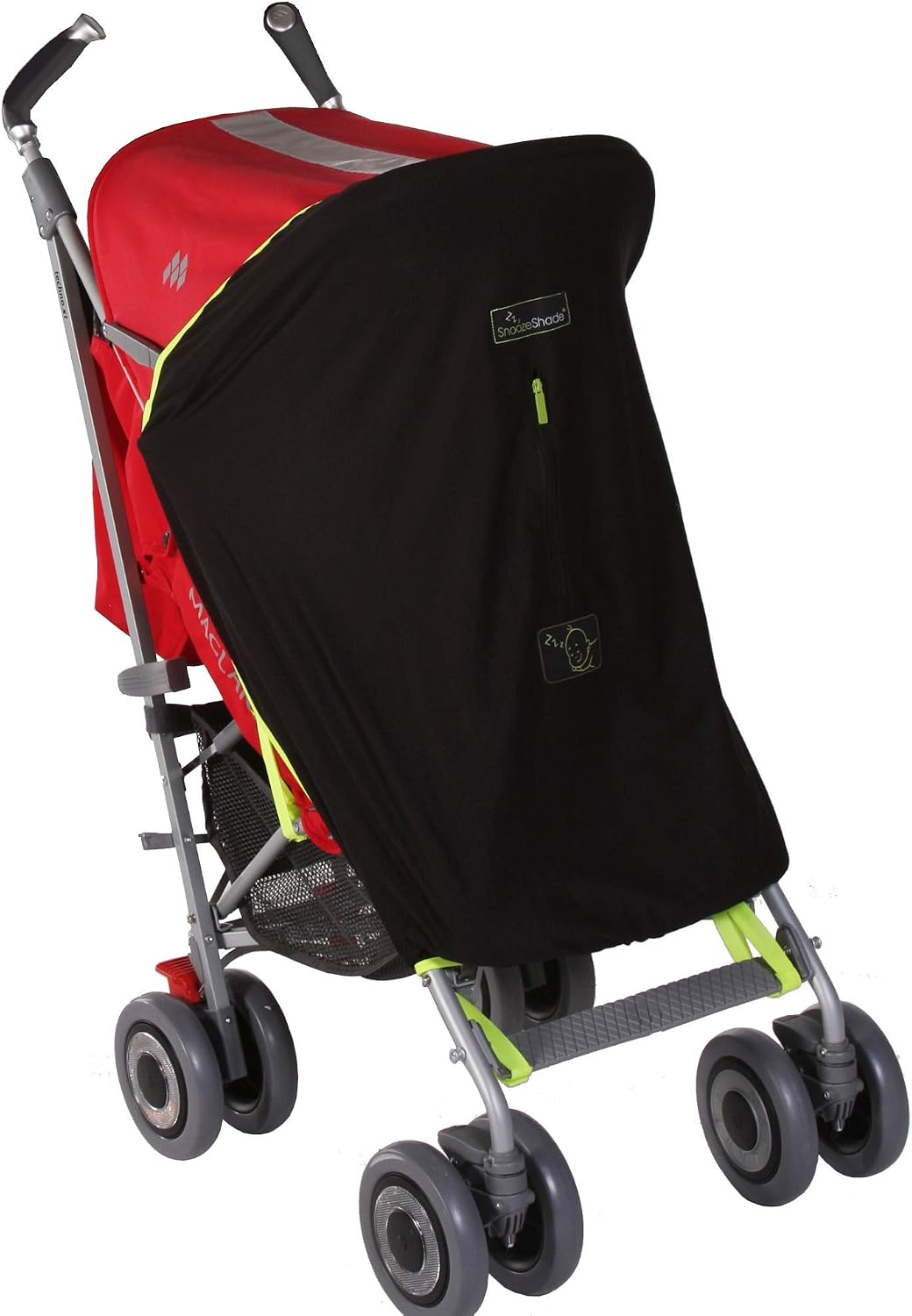
If you are out for the day, the lunchtime nap could take place in the pram. I find that the use of a snooze shade is a great way to bring darkness with you while keeping your toddler safe.
NOTE: do not use a normal blanket to cover your child’s pram as it will not be properly ventilated and may cause lack of airflow or overheating.
2:00pm – Milk
Regardless of how long your toddler has slept, they should be waking up at 2:00pm. If, for some reason, they have gone down later than 12:30 that day, they could sleep until 2:30pm.
Ensure that they do not sleep for more than 90 minutes. If they are sleeping well at night while following this routine then their nighttime sleep suddenly suffers, it may be time to gradually reduce this nap time down from by 10 minutes at a time.
Under no circumstances should you let your child sleep after 3pm as a “danger nap” will have a disastrous effect on their bedtime.
Once they are awake, they should be offered milk, either breast or bottle, or from a cup, plus a small snack if desired.
2:30pm – 5:00pm – Quieter Activities
During this block of time, you may have older children to collect from school, take to activities and help with homework. You will also have to prepare dinner. If this block is spent at home, this is an ideal time to encourage your toddler to engage in some independent play. Puzzles, cars or any other favourite toys that they can play with while in the same room as you while you get on with other chores are ideal.
5:00pm – Dinner
Sit at the table with your toddler while they eat their evening meal. Encourage them to eat as much as possible so that they are not too hungry in the night. Once they have eaten, let them play while you clear up their dinner.
6:00pm – 7:00pm – Bedtime Routine
Make sure that you allow plenty of time for winding down at bedtime. Tempting as it is for adults to play rough and tumble with your toddler during this time, keep things calm.

Bedtime routines should include washing (usually a bath, although it is up to you is you bath your child every night), teeth cleaning and putting them in their pjs.
Once they are ready for bed, read them a story and get them settled in their room.
Younger toddlers who still have milk (breast or bottle), should be fed in their rooms with dim lighting. Avoid feeding them to sleep if possible.
Once they have finished their feed, place them into their sleeping bag (this should wake them enough to know what is going on even if they have fallen asleep). Once they are in their sleeping nag, place them in the cot, kiss them goodnight and leave the room.
By placing them in the cot “drowsy but awake”, they are more likely to know where they are and less likely to be confused when they wake up, which leads to crying.
Night waking
Beyond the age of 1 year, there is no reason that toddlers would “need” a night feed, from a calorie point of view, f they are eating and feeding well at the times mentioned above.
Rather than feeding your toddler when they wake at night, try offering them a sip of water. Avoid turning on bright lights. Check their nappy and settle them back to sleep with minimal fuss.
What sort of routine does your toddler currently follow?
Do they have a routine? Is it similar to this? Or are you currently “going with the flow”? Let me know in the comments.
Get The Ultimate Mum Bundle Now
Why Not Pin This For Later?